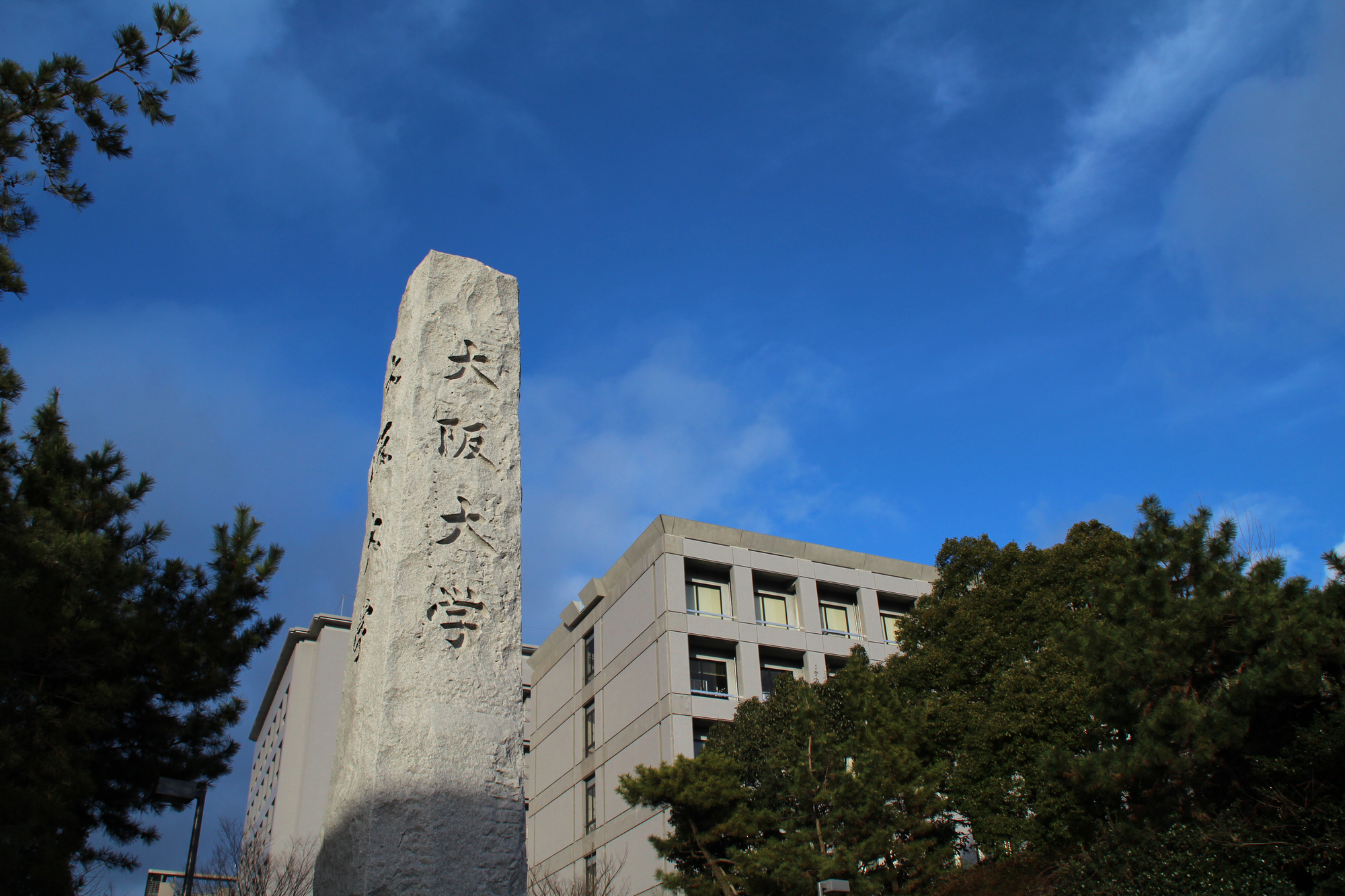
A research group led by Assistant Professor Tadashi of Osaka University Graduate School explored the usage of over-the-counter (OTC) medications after the COVID-19 pandemic and the underlying factors that may influence them. They revealed that personality traits (such as extraversion and agreeableness) and digital health literacy have an influence.
Self-medication refers to managing one's own health and using over-the-counter medications for minor ailments without visiting a medical institution, and is recommended as part of measures aimed at reducing medical costs. Furthermore, the COVID-19 pandemic has led to an improvement in health awareness among Japanese people and changes in public health behaviors regarding respiratory symptoms.
The research group conducted an online survey of 1,086 adults nationwide, comparing and analyzing self-medication patterns in the "initial stage" and "persistent stage" of symptoms for mild illnesses such as colds and coughs. Furthermore, they divided the location of symptom onset into domestic and overseas categories and investigated whether there were regional differences in the use of over-the-counter medications.
The survey revealed that approximately 43.6% of respondents used over-the-counter (OTC) medications at the onset of cold and cough symptoms, and 61.7% sought medical attention if symptoms persisted for more than a week. Furthermore, over 80% of respondents strictly followed the dosage and instructions for OTC medications.
Furthermore, the following factors were identified as influencing self-medication and the appropriate use of over-the-counter medications.
(1) People with high extroversion (sociable types who enjoy interacting with others) are more likely to seek medical attention when their symptoms persist.
(2) People with high scores on the health literacy scale (people who can find health information on the internet) tend to check the expiration dates of over-the-counter medications and gather information on the internet when they are unsure about which medication to choose.
(3) People raising children tend not to strictly follow the instructions and dosages for over-the-counter medications.
(4) When traveling abroad, the tendency to choose to seek medical attention at a medical institution increased by approximately twice as much as when in Japan.
The results of this study revealed that personal characteristics such as "personality" and "information literacy" are related to self-medication. It is hoped that further education and awareness campaigns, as well as the development of an environment where reliable medical information can be accessed, will promote safe and effective self-medication.
Paper information: [BMC Public Health] Status and influencing factors of OTC medicine use for self-medication in cold and cough: a cross-sectional survey in Japan