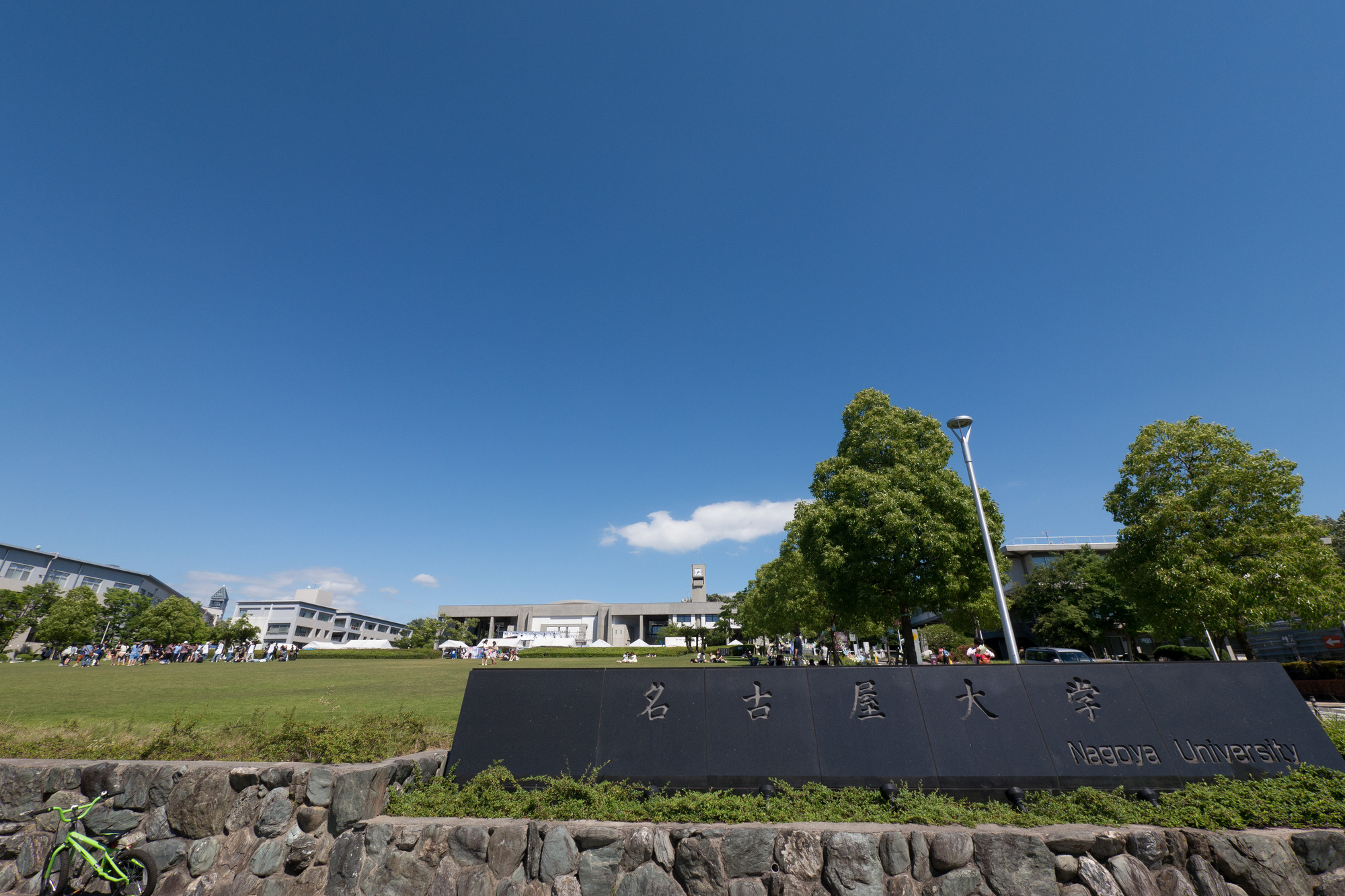
A research group at Nagoya University has made the world's first discovery of "bacterial constipation," a condition in which a specific combination of gut bacteria excessively reduces intestinal mucus (mucin), leading to constipation.
Until now, the main cause of constipation has been thought to be a decrease in bowel movement (peristalsis). However, in many cases, particularly among patients with Parkinson's disease and chronic idiopathic constipation, constipation does not improve even when taking medication to improve bowel movement, and the mechanism of constipation that cannot be explained by bowel movement alone has remained unknown.
In this study, we compared and analyzed the stool samples of Parkinson's disease patients, chronic idiopathic constipation patients, and healthy individuals. The results showed that two types of intestinal bacteria, "Bacteroides thetaiotaomicron" and "Akkermansia muciniphila," were increased in patients with constipation.
When these bacteria were transplanted into germ-free mice, constipation developed only when both types of bacteria were colonized simultaneously. This suggests that constipation is caused by a "conciliatory relationship" between the two bacteria.
Since both bacteria are intestinal mucus-degrading bacteria, the research group focused on intestinal mucus (mucin). Intestinal mucus covers the inside of the intestines, acting as a lubricant to retain moisture in the stool and make it easier to move through the intestines, and also acting as a barrier to protect the intestinal wall from bacteria. Normally, intestinal mucus in the large intestine is protected by sulfate groups and is not easily broken down, but this study has revealed the world's first mechanism by which intestinal mucus is broken down through the coordinated action of two types of intestinal bacteria.
Specifically, it was found that the desulfating enzyme in B. thetaiotaomicron acts as a "locker," removing sulfate groups from intestinal mucus, allowing A. muciniphila to efficiently break down the unprotected intestinal mucus. As a result, excessive loss of intestinal mucus reduces water retention, causing stool to dry out and leading to constipation. Furthermore, it was confirmed that the decrease in the mucus layer also impairs the intestinal barrier function.
This study proposed a new concept called "bacterial constipation," in which gut bacteria are the direct cause of constipation. These findings could lead to the development of entirely new therapeutic strategies targeting gut bacteria for constipation patients who have not achieved sufficient results with existing treatments.
Paper information: [Gut microbes] Bacterial constipation: Mucin-degrading intestinal commensal bacteria cause constipation