A joint research group from Nagoya University, Shujitsu University, Showa Women's University, Tokoha University, and Rutgers University in the United States has revealed that people in these six countries commonly perceive mental development as a two-dimensional structure consisting of "perception" and "introspection."

 While scientific knowledge has accumulated regarding the developmental patterns of mental abilities related to perception, emotion, thought, and judgment, how people intuitively perceive mental development remains largely unclear. These developmental perspectives are crucial cognitive foundations that can influence how parents, educators, and researchers understand and evaluate children's abilities, as well as how society perceives the potential for human growth.

 In this study, adults from six countries—Japan, Australia, Mexico, South Africa, the United Kingdom, and the United States—were asked about the timing of the development of 40 different mental abilities. Analysis of the responses revealed a consistent two-factor structure across all countries, consisting of a "perceptual" dimension (e.g., "seeing," "feeling hungry") and a "reflection" dimension (e.g., "self-control," "judging right from wrong"). It was also confirmed that people tend to perceive "perceptual" abilities as relatively innate, while "reflection" abilities are relatively developed through experience.

 On the other hand, in the context of comparing minds with non-human entities such as robots, a three-dimensional structure consisting of "body, mind (cognition), and heart (emotion)," as proposed in previous research, emerged, rather than the two-dimensional structure of "perception" and "introspection." This result revealed that people's perceptions of the mind are not fixed, and that the structure changes depending on the context, such as whether it is considered in terms of human development or when comparing it with non-human entities.

 The findings of this research provide new clues to understanding people's intuitive perceptions of development and education. The study also emphasizes the importance of further clarifying the relationship between people's "views of mental development" and actual development.

Publication Information: [Psychological Science] How Does the Mind Grow? Cross-Cultural Intuitive Theories of Mental Development *Peer-reviewed final manuscript (freely available)
Nagoya University

Aiming to be a person who has true courage and intellect and can open up the future

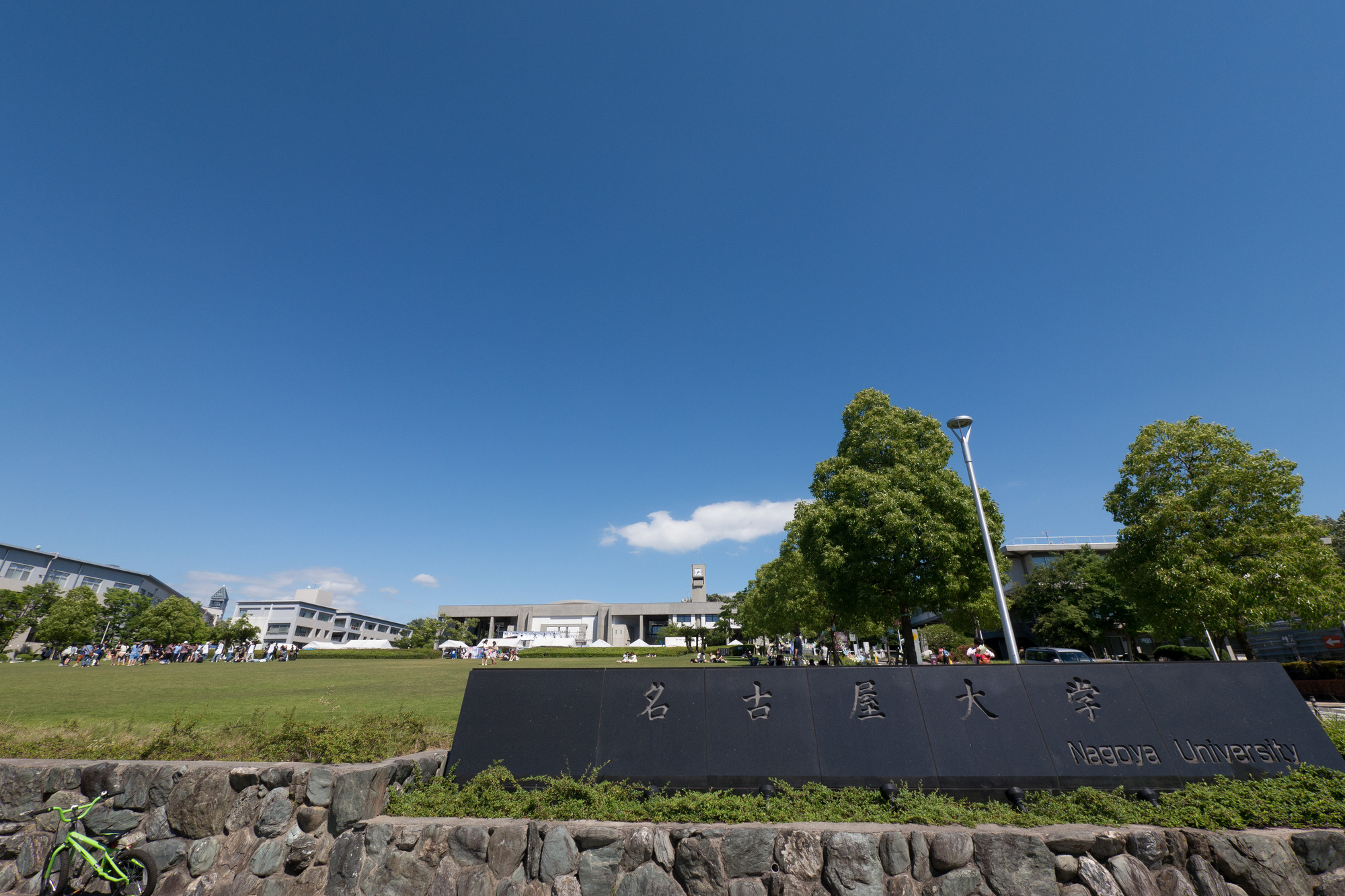
Nagoya University is a comprehensive university with 9 faculties, 13 graduate schools, 3 affiliated research institutes, nationwide joint usage, and 5 joint research centers.Through creative research activities, he explores the truth and produces some of the best intellectual achievements in the world.Foster courageous intellectuals with abundant logical thinking and imagination through educational practices that emphasize spontaneity […]

Jushi University

Under the founding spirit of "Shūjitsu", we develop distinctive practical education that emphasizes "practical usefulness".

Shujitsu Gakuen is a historic comprehensive university with five faculties and seven departments: Faculty of Humanities, Faculty of Education, Faculty of Psychology, Faculty of Pharmacy, and Faculty of Business Administration. We offer distinctive practical education, such as lectures and training that emphasize "practical usefulness," community contribution activities, internships, and overseas training. At the end of January 5, a new school building will be completed, with a large-scale information […]

Tokoha University

At the largest university in Shizuoka prefecture, we train next-generation leaders who aim to contribute to the development of Shizuoka through the exchange of people and information.

Tokoha University is the largest private university in Shizuoka Prefecture, with four campuses, 4 faculties and 10 departments, offering a wide range of study opportunities. With three educational philosophies: "knowledge and virtue," "future orientation," and "community contribution," we aim to foster not only specialized knowledge, but also rich humanity and develop talented people who will lead the community. "Students are the main players" […]

Showa Women's University

Foster the ability to open up your life on a diverse super-global campus

With 7 faculties and 17 departments that deepen learning and broaden the horizons, in addition to advanced specialized knowledge, we are focusing on career education and global human resource development education to acquire a wide range of abilities to play an active role in society. ..Career-related courses begin in the first year, and many internships and employment support courses are also open.Overseas can […]

University Journal Online Editor

This is the online editorial department of the university journal.
Articles are written by editorial staff who have a high level of knowledge and interest in universities and education.